
Federal Court Vacates 340B Hospital Child Site Registration Requirement
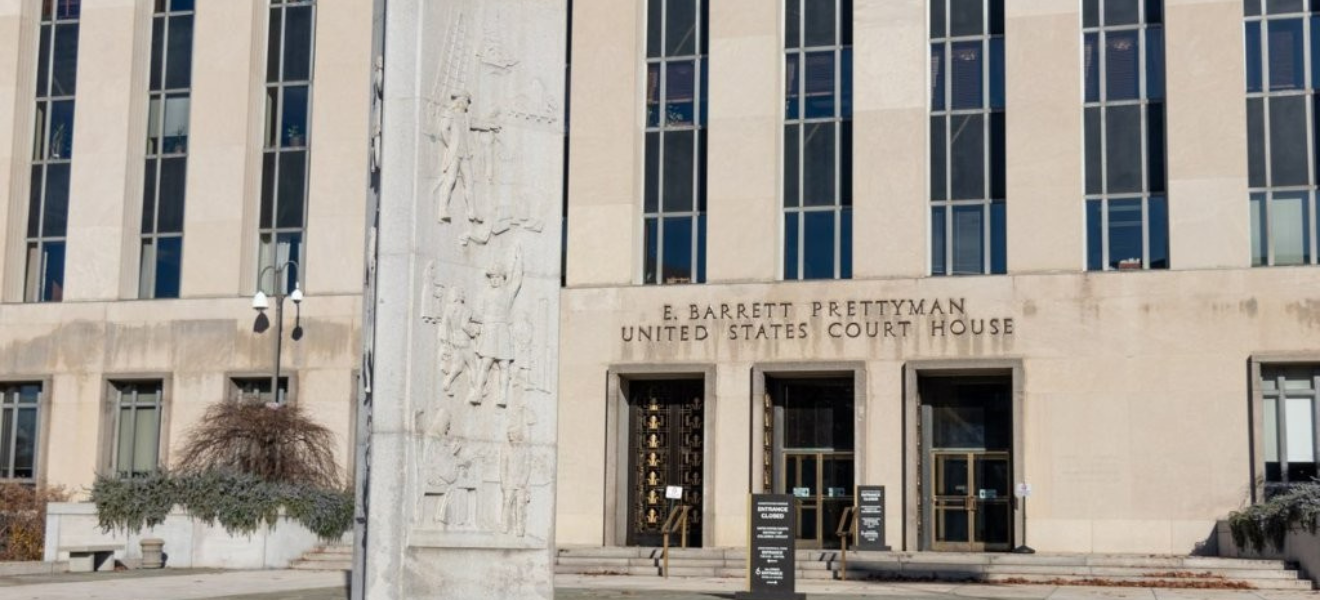
On March 3, 2026, the U.S. District Court for the District of Columbia invalidated the Health Resources and Services Administration’s (“HRSA”) registration requirements for certain off‑campus hospital facilities that are part of a 340B covered entity, commonly referred to as “child facilities” or “child sites.” In Albany Med. Health System v. HRSA, No. 23‑cv‑03252 (APM) (D.D.C. Mar. 3, 2026), the court ruled that HRSA lacks authority to precondition hospital child site eligibility for 340B‑priced drugs on identification on the hospital’s Medicare cost report and registration in the HRSA Office of Pharmacy Affairs Information System’s (“OPAIS”) database. The court vacated the agency action imposing those requirements.
Background
HRSA’s advance registration requirements for child sites were in place from 1994 until the COVID‑19 public health emergency, when HRSA paused enforcement of this policy, allowing eligible child sites to access 340B pricing without advance registration.
In October 2023, HRSA reinstated the child site advance registration requirements via a Federal Register Notice (“2023 Notice”). A group of hospitals and health systems in the Albany Med. Health System case challenged HRSA’s reinstatement of the policy, alleging that impacted child sites could be unlawfully denied access to 340B pricing by as much as two years due to Medicare cost report timing and HRSA’s registration schedule.
The hospitals challenged HRSA’s reinstated child site registration policy as unlawful for a variety of reasons, including because HRSA had imposed extra eligibility requirements not authorized by the 340B statute, and sought vacatur of the policy.
The Court’s Decision
The district court ruled for the hospitals and vacated the challenged policy. The court held that HRSA’s advance registration requirements for child sites unlawfully added eligibility conditions for 340B drug pricing that Congress had not authorized.
Applying Loper Bright Enterprises v. Raimondo, the court conducted a best‑interpretation analysis of the 340B statute and concluded that Congress authorized only the specific participation requirements listed in the statute, leaving HRSA no room to impose additional eligibility preconditions. The court explained that Section 340B identifies only three requirements for covered entities to receive 340B drug pricing: (1) preventing duplicate Medicaid discounts, (2) prohibiting resales of 340B drugs to non‑patients, and (3) permitting audits to ensure compliance with the first two requirements. “Simply put, there is no statutory hook that grants the Secretary discretion to add additional ‘requirements,’ including registration.” The court analyzed other statutory text that expressly required certification for other types of covered entities, reinforcing that Congress did not intend to permit HRSA to require registration for child sites. Although HRSA may require covered entities to identify child sites and verify eligibility for administrative purposes, it lacks authority to condition a child site’s 340B eligibility on advance Medicare cost‑report listing and HRSA registration in OPAIS.
The court further emphasized that the 340B statute does not grant the Secretary of Health and Human Services (“HHS”) general rulemaking authority over the program. Citing recent D.C. Circuit precedent, the court noted that the HHS Secretary lacks authority to promulgate legislative rules governing Section 340B, reinforcing the conclusion that HRSA may not impose registration requirements serving administrative ends absent express statutory authorization.
Finally, the court rejected the government’s argument that relief should be limited to the plaintiff hospitals. Instead, consistent with D.C. Circuit precedent, the court held that vacatur is the ordinary remedy for an Administrative Procedure Act violation and vacated the 2023 Notice in its entirety. The court also declared unlawful the reinstated regime requiring a hospital child site both to appear on the hospital’s Medicare cost report and to secure HRSA registration in OPAIS before becoming eligible to dispense 340B‑priced drugs.
Implications for Covered Entities
The court’s decision is a victory for hospitals as it halts HRSA’s attempts to condition a hospital child site’s eligibility for 340B pricing on compliance with additional registration requirements. Instead, HRSA is limited to requiring covered entities to identify child sites for administrative and oversight purposes, and relying on audits or other post‑participation compliance mechanisms to police compliance with the statutory participation requirements.
The court’s ruling aligns with a growing body of case law scrutinizing the scope of HRSA’s authority under the 340B statute. As in recent decisions addressing HRSA’s patient‑definition guidance, contract pharmacy enforcement, and manufacturer restrictions, the court emphasized that HRSA may not impose substantive participation conditions that lack a clear statutory basis. Together, these cases reflect continued judicial skepticism of agency efforts to limit access to 340B drugs via expansion of the statutory 340B requirements.
Looking ahead, HRSA may seek appellate review or consider alternative oversight approaches consistent with the court’s ruling, including greater reliance on audits and post‑participation enforcement tools rather than eligibility‑conditioning requirements.
Issues to Consider Following the Decision
In light of the decision, hospitals and health systems should consider:
- Monitoring HRSA’s response, including any appeal or effort to reassert oversight of child sites through guidance or audits;
- Reviewing off‑campus facility operations to assess potential 340B eligibility and operational impacts;
- Reevaluating compliance and enforcement risk given continued scrutiny by regulators and manufacturers and the evolving 340B litigation landscape; and
- Monitoring congressional activity related to the 340B program, including any legislative or oversight developments addressing child site eligibility, HRSA authority, or other program parameters.
We will continue to monitor developments related to this decision and provide updates as additional guidance becomes available. If you have questions regarding the implications of this decision for your organization or would like assistance evaluating compliance considerations, please contact Sven Collins, Katrina Pagonis, Martha Cramer, Nina Marsden, or your regular Hooper, Lundy & Bookman, P.C. contact.
Professionals