

Practices
Fraud and Abuse, Stark, Anti-Kickback Counseling and Defense
Download PDF: Fraud and Abuse, Stark, Anti-Kickback Counseling and Defense (opens in a new tab)
Get in Touch
Overview
For providers, realizing the potential economic and patient care benefits of a transaction, business relationship, payment model, or other arrangement requires vigilant attention to fraud and abuse compliance obligations. When alleged missteps or oversights draw the scrutiny of government investigators and prosecutors, providers must act quickly and strategically to address such threats. Hooper, Lundy & Bookman provides comprehensive, proactive compliance counseling and effective defense strategies focused on protecting our clients’ finances and reputations.
HLB is a nationally recognized leader in health care fraud and abuse matters, with some of the nation’s most experienced and highly regarded attorneys on the federal physician self-referral law (the Stark Law) and the federal Anti-Kickback Statute. In fact, HLB partners wrote the 2021 American Health Lawyers Association Monograph on the Stark Law, the seventh edition of a treatise an HLB partner first wrote in 1998. Our lawyers also author fraud and abuse treatises and chapters for the American Health Law Association, BNA Bloomberg, and the California Health Association publications.
Our lawyers combine an exhaustive understanding of the law with an appreciation of the compliance challenges and potential pitfalls providers face every day. They identify and address operational or transactional vulnerabilities to minimize fraud and abuse risks and serve as bulwarks against government investigators and attorneys when they raise allegations of wrongdoing. In addition to our representation of providers in these complex and consequential matters, HLB also works with digital health companies and other innovators in the health care industry to structure compliant arrangements and practices.
Fraud and Abuse Compliance Counseling
HLB’s attorneys advise a wide range of health care providers and other organizations to craft business arrangements that comply with the many overlapping laws pertaining to fraud and abuse in the industry, including the Stark Law, state anti-referral laws, federal and state anti-kickback laws, and the federal False Claims Act and its state equivalents. They also review existing agreements for potential violations and develop strategies to address past infractions.
HLB offers a full spectrum of both prospective and remedial measures designed to instill a culture of compliance and position our clients for positive outcomes in the event of government investigations and actions. HLB’s fraud and abuse counseling includes:
- Structuring and implementing all types of provider and supplier financial relationships, contracts, and transactions
- Designing compliance, programs, policies, and procedures to address compliance with Stark and fraud and abuse laws
- Unwinding transactions, as necessary, to address changing regulatory standards
- Reviewing joint ventures, mergers, and acquisitions
- Creating management agreements and other provider alignment models
- Crafting physician recruitment and retention arrangements, including developing policies and procedures, providing counseling advice, and drafting and negotiating documents
- Conducting internal investigations to determine whether violations of the Stark or fraud and abuse laws have occurred
- Assisting clients with implementing any necessary corrective action, including self-disclosures to governmental authorities when appropriate
- Preparing, submitting, and obtaining approval on fraud and abuse and Stark advisory opinion requests
- Advising on beneficiary inducements and safe harbors under the Civil Monetary Penalties Law
- Working extensively with state and national trade organizations and other clients in commenting on, revising, and drafting regulations and legislation involving health care fraud and abuse, including guiding bills through the legislative process
Fraud and Abuse Defense
When our clients must respond to government investigators, HLB moves swiftly to develop approaches designed to diffuse the situation, address regulators’ concerns, and find solutions that avoid costly and protracted litigation. Our attorneys conduct meticulous internal investigations of possible fraud and abuse, represent clients responding to subpoenas, manage DOJ and OIG investigations, and defend criminal prosecutions and administrative proceedings.
HLB’s fraud and abuse practice includes attorneys with significant government-side experience investigating and prosecuting health care fraud cases, instilling them with insights on how best to respond, and facilitating productive interactions that yield positive resolutions.
Industry groups and trade associations frequently ask our attorneys to speak about current fraud and abuse best practices and enforcement trends, and our lawyers have served as expert witnesses on Stark Law and fraud and abuse matters. Standing at the forefront of these issues, HLB stays ahead of new developments in the law and changes in government approaches so that our clients receive the guidance and support to keep claims and issues to a minimum.
Experience
News & Insights


Professionals

Lloyd A. Bookman
Founding Partner

Diana L. Calla
Senior Counsel

Joshua Chiu
Associate

Paul Deeringer
Partner

Bridget A. Gordon
Partner

Stephanie Gross
Partner

David A. Hatch
Partner
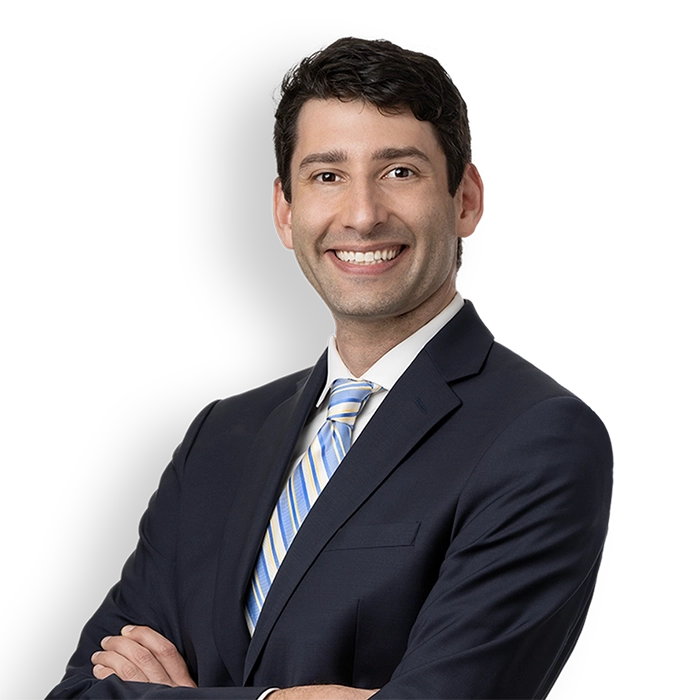
Andrew Hayes
Associate

Patric Hooper
Founding Partner

Jordan Kearney
Partner
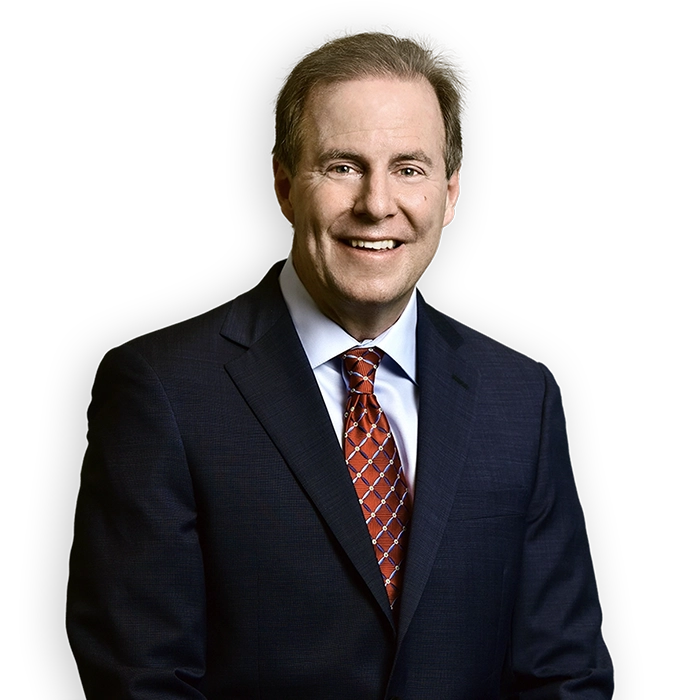
Scott J. Kiepen
Partner
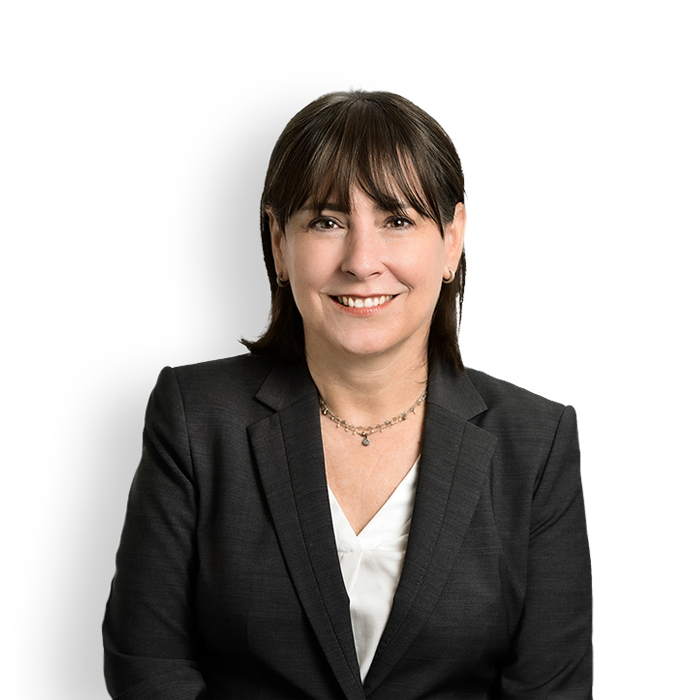
Sandi Krul
Partner
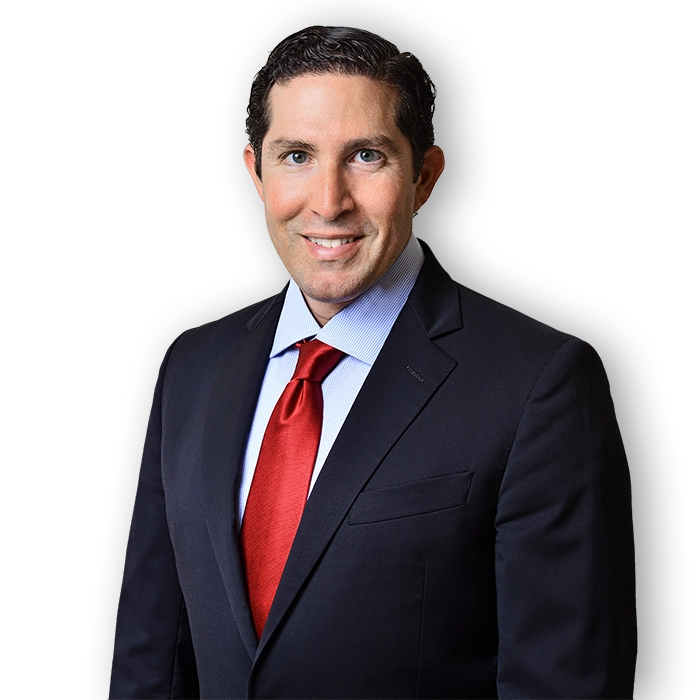
Joseph R. LaMagna
Partner

Robert W. Lundy, Jr.
Founding Partner

Robert F. Miller
Partner

Charles B. Oppenheim
Partner

Stephen K. Phillips
Partner
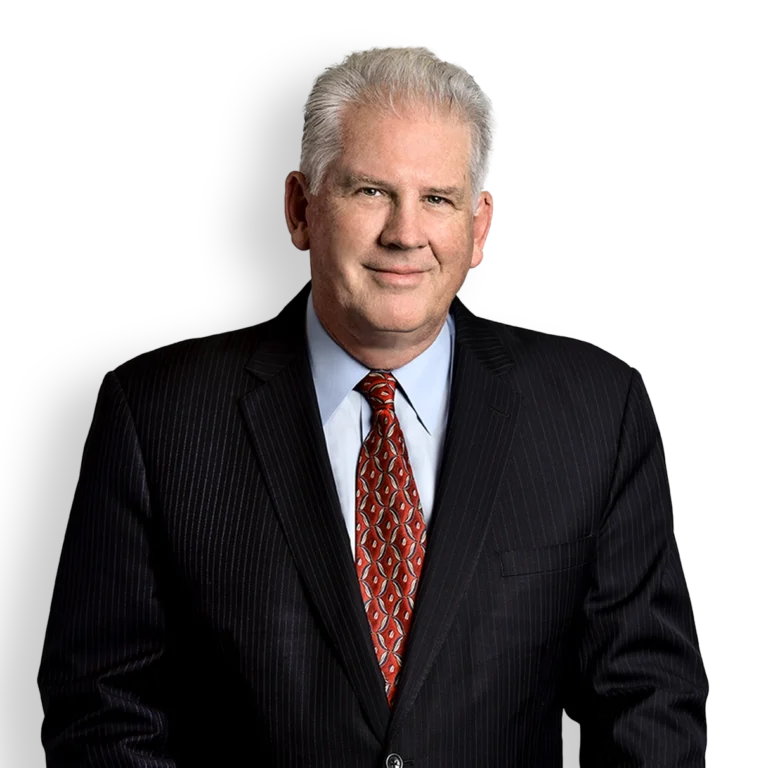
Mark E. Reagan
Managing Shareholder

Taryn A. Reid
Senior Counsel

Heather M. Romero
Associate

Kerry K. Sakimoto
Associate

Karl A. Schmitz
Partner
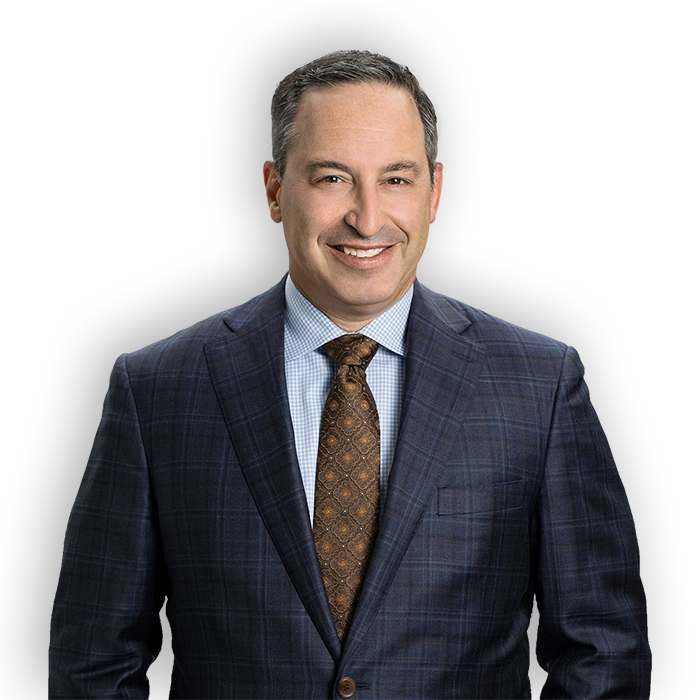
David S. Schumacher
Partner